Mindscape VR
A VR therapy app that casts ChatGPT as a therapist, grounded in a cognitive-behavioral-therapy framework, that you speak to aloud in a calming virtual space and hear answer back. Built in 48 hours, 2nd place overall at the Metaverse Creators VR Hackathon 2023.
Support that's hard to reach when you need it most
Traditional therapy is often out of reach. Cost, location, and scheduling all stand between people and the support they need. For someone navigating anxiety or a mental-health condition, the gap between wanting help and getting it can be the hardest part.
Mindscape VR asks a narrower, buildable question: could a calming virtual space plus a conversational AI offer a low-friction, judgment-free place to talk things through, on demand, with nothing to schedule?
A therapist you speak to, inside a space built to calm you
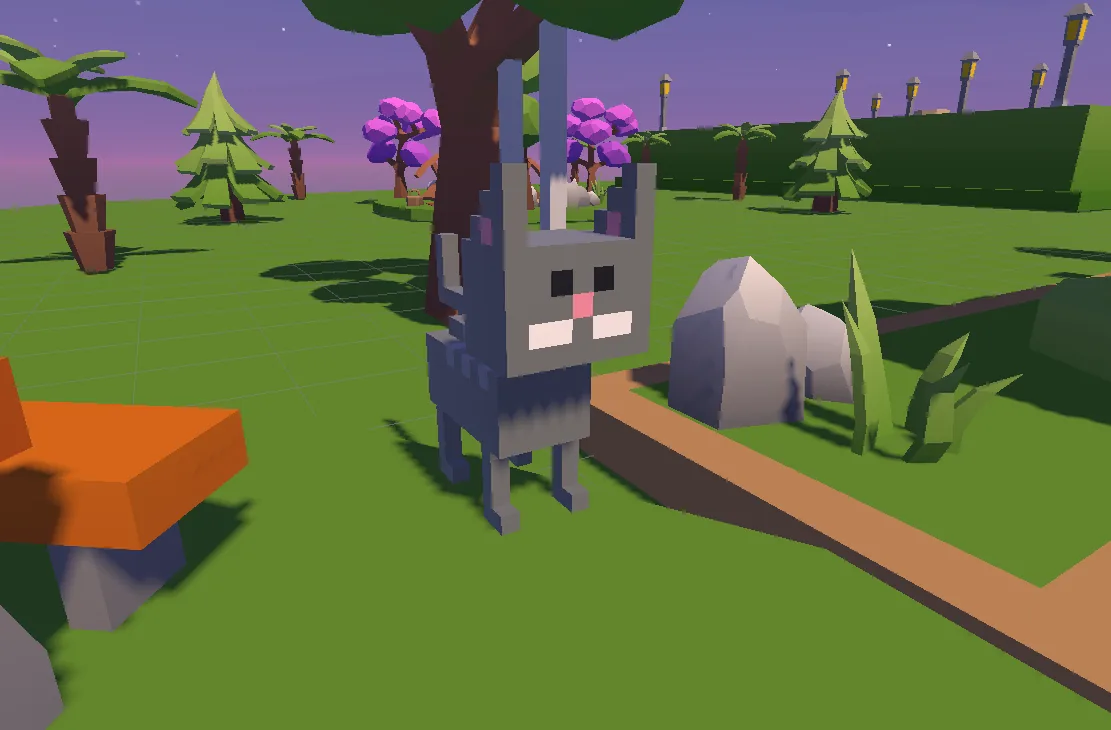
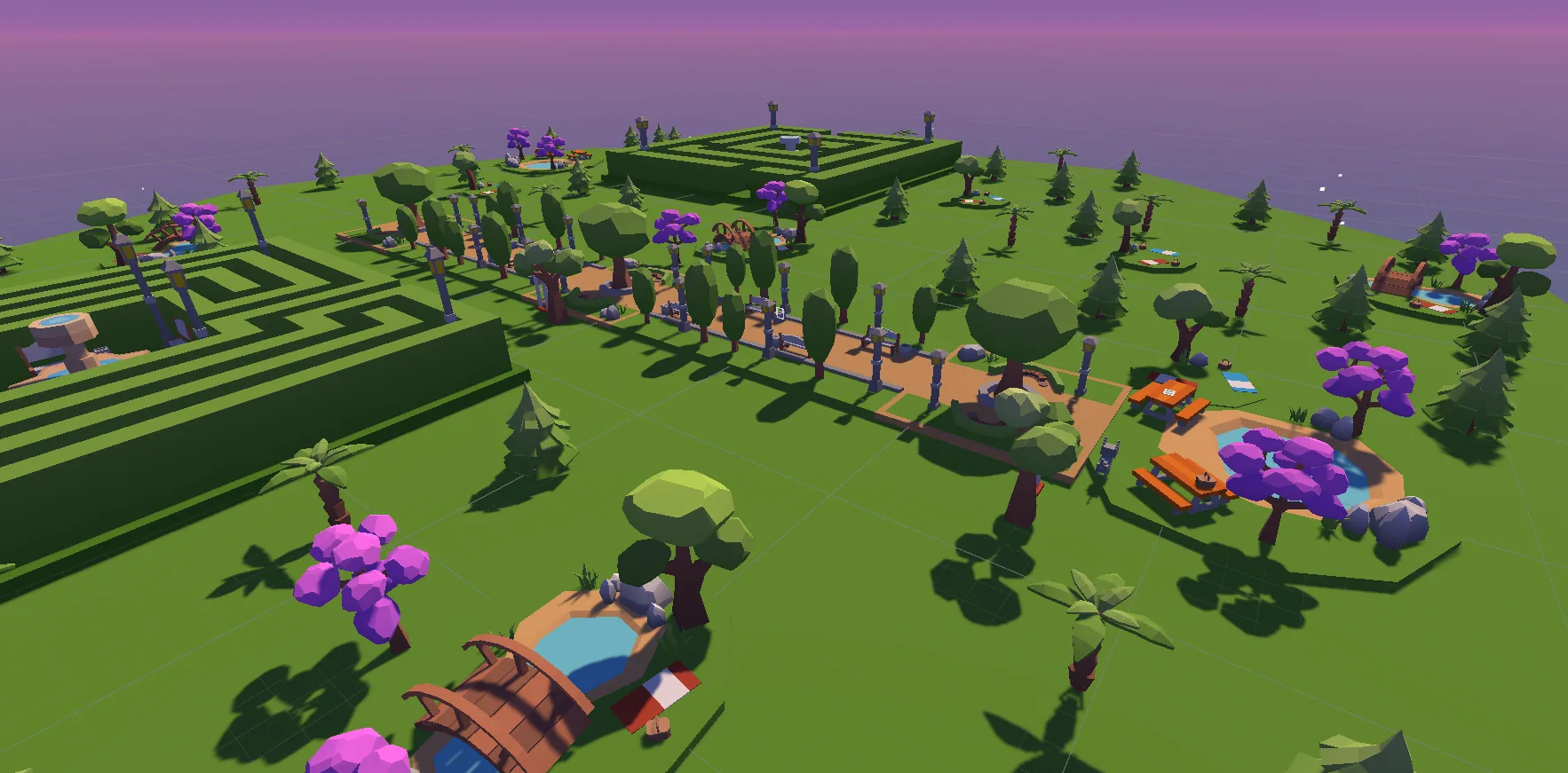
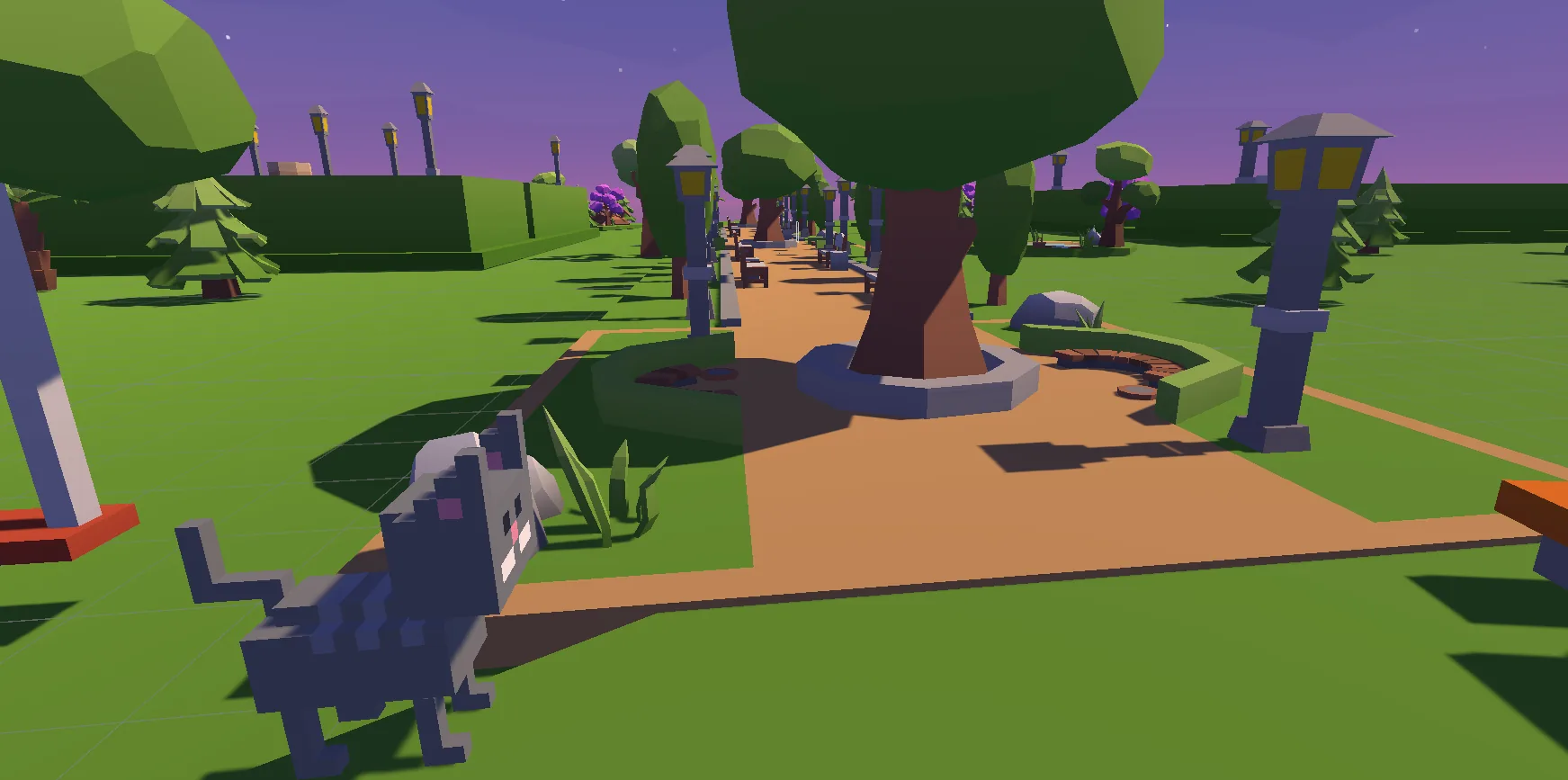
Mindscape VR puts the user in a grounding, low-poly environment on Meta Quest and lets them simply talk. Speech-to-text captures what they say, OpenAI's ChatGPT responds in the role of a therapist, and text-to-speech voices that reply back, so the whole exchange feels like a spoken conversation rather than a chat box floating in VR.
The piece that makes that more than a novelty is the framework behind the therapist. I researched and built a cognitive-behavioral-therapy-informed structure and context for the AI persona, so the model's responses follow a recognized therapeutic approach (reframing, guided reflection, actionable coping steps) instead of improvised empathy. The clinical grounding is what lets the conversation aim at genuine insight rather than just a sympathetic voice.
Two more choices shaped the experience:
Voice, not menus. Typing breaks presence and raises the barrier to opening up. Letting users speak freely (and hear a calm voice answer) keeps the interaction human and lowers the friction of saying something difficult out loud.
Environment as part of the treatment. The calming scenery and ambient soundscapes aren't set dressing. They're there to promote relaxation, so the space itself does some of the therapeutic work before a word is spoken.
2nd place overall at Metaverse Creators 2023
I owned the therapeutic core and the user experience. I researched and developed the cognitive-behavioral-therapy-informed framework and context for the AI therapist, the structure behind the persona that makes its responses clinically grounded rather than improvised. I also designed the UI/UX for the Quest build and worked on the speech-to-text / text-to-speech loop that lets users talk to the therapist and hear it answer.
Steven Le (lead developer) built the ChatGPT integration and also worked on the STT-TTS. Vencent Vang built the environments and soundscapes.
The interesting bet here was treating a large language model as a spoken, clinically-framed presence rather than a chatbot bolted onto VR. The framework mattered more than the model: grounding the persona in CBT is what separated "an AI that sounds kind" from "an AI that does something therapeutically shaped." The honest limit is that a 48-hour demo proves the interaction, not the therapy. The natural next steps we scoped (server-side keys so users don't bring their own, in-world customization of scene and voice, and an environment that adapts to the user's tone in real time) are all about turning a convincing prototype into something safe and personal enough to actually rely on.