AceSense
An AR poker coach on Mentra Live smart glasses. It sees your cards, computes the odds, and whispers strategy through on-ear audio, keeping your hands on your cards and your eyes on the table. Built in about 24 hours at the Mentra Live Hackathon at Y Combinator, where it won Best Use of Roboflow and Best Use of ElevenLabs.
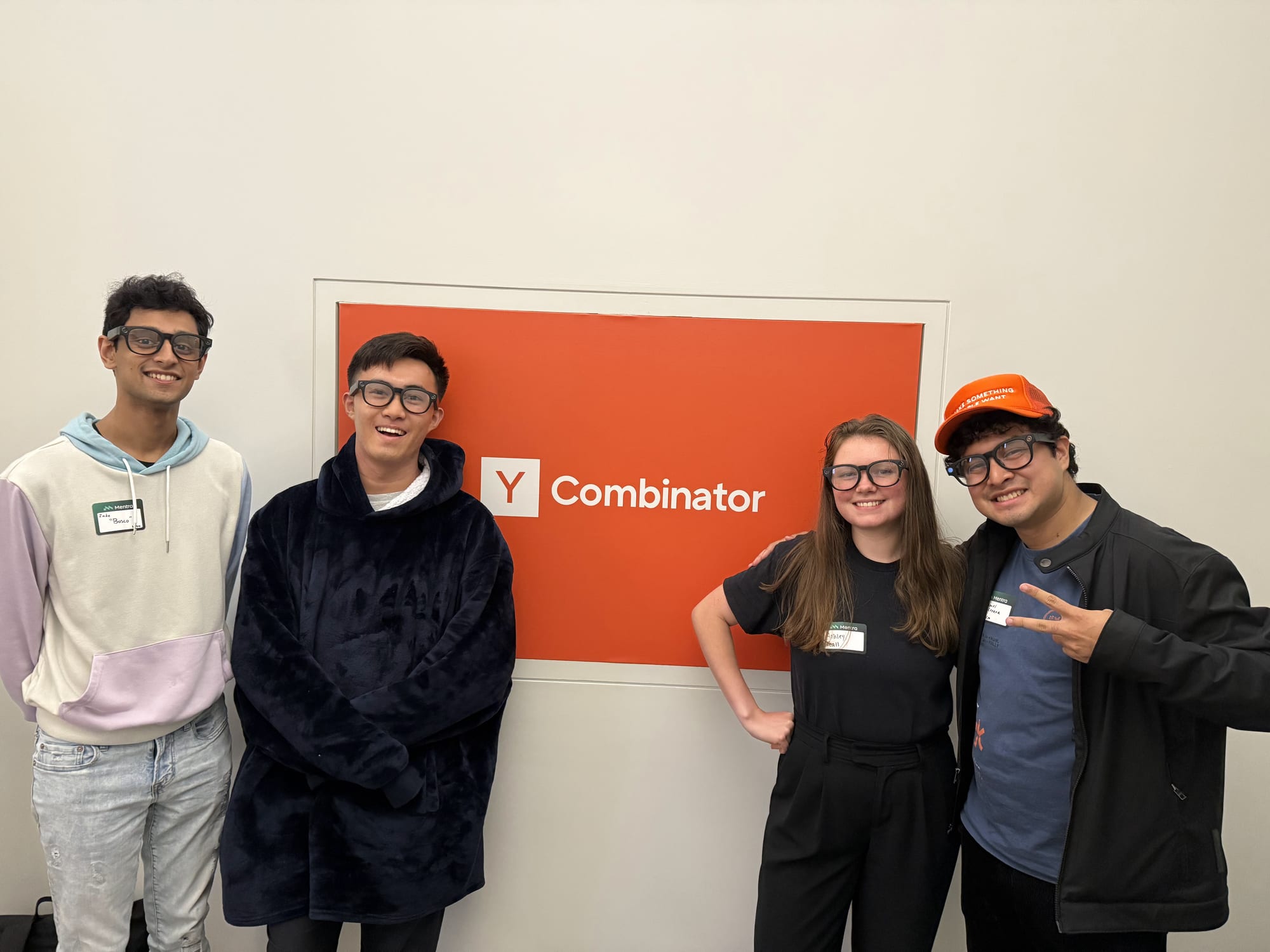
Good poker coaching is gated
Poker rewards the players who can afford to learn it. Private coaching, training sites, and years at the table all cost money and access, so the people who could gain the most are usually the ones locked out.
AceSense hands that coaching to anyone wearing a pair of glasses. It watches the cards you already hold, works out the odds, and talks you through the decision in real time, so learning happens in the moment instead of in an expensive lesson.
This is Agency Architecture in practice. Point adaptive guidance at a skill that is normally gatekept, and you widen who gets to play it well.
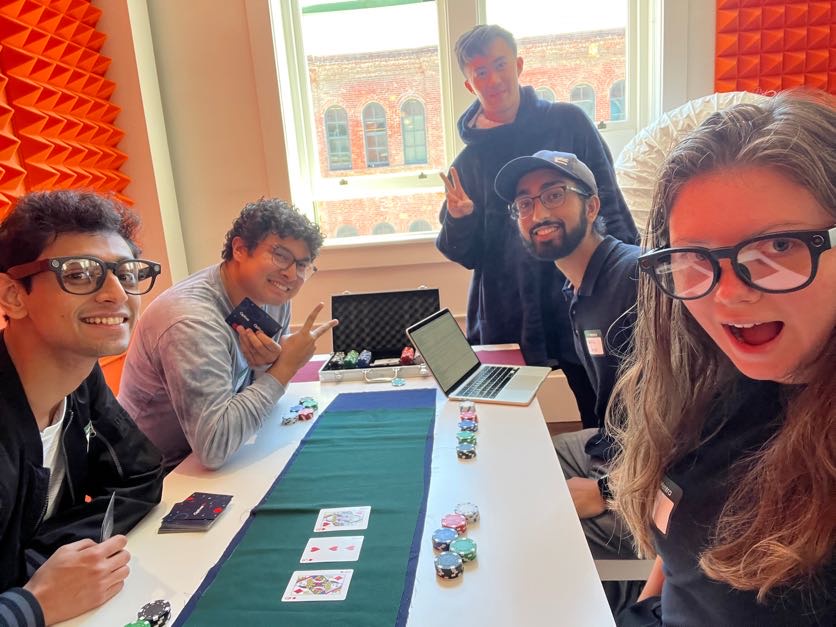
Why smart glasses, and why voice
The whole point was to coach a player without pulling them out of the game. A phone app does the opposite. You look down, break eye contact, and telegraph every decision. Smart glasses keep your hands on your cards and your eyes on the table, which is exactly where a poker player needs them.
Two choices shaped the build.
Why glasses. The camera sees what you see, so the system reads the real cards in front of you with no extra hardware on the table. The interface disappears into something you already wear.
Why voice. Advice arrives as a quiet line in your ear instead of text on a screen. It lands the way a friend leaning over would coach you, which keeps the moment social rather than turning it into a heads-up display.
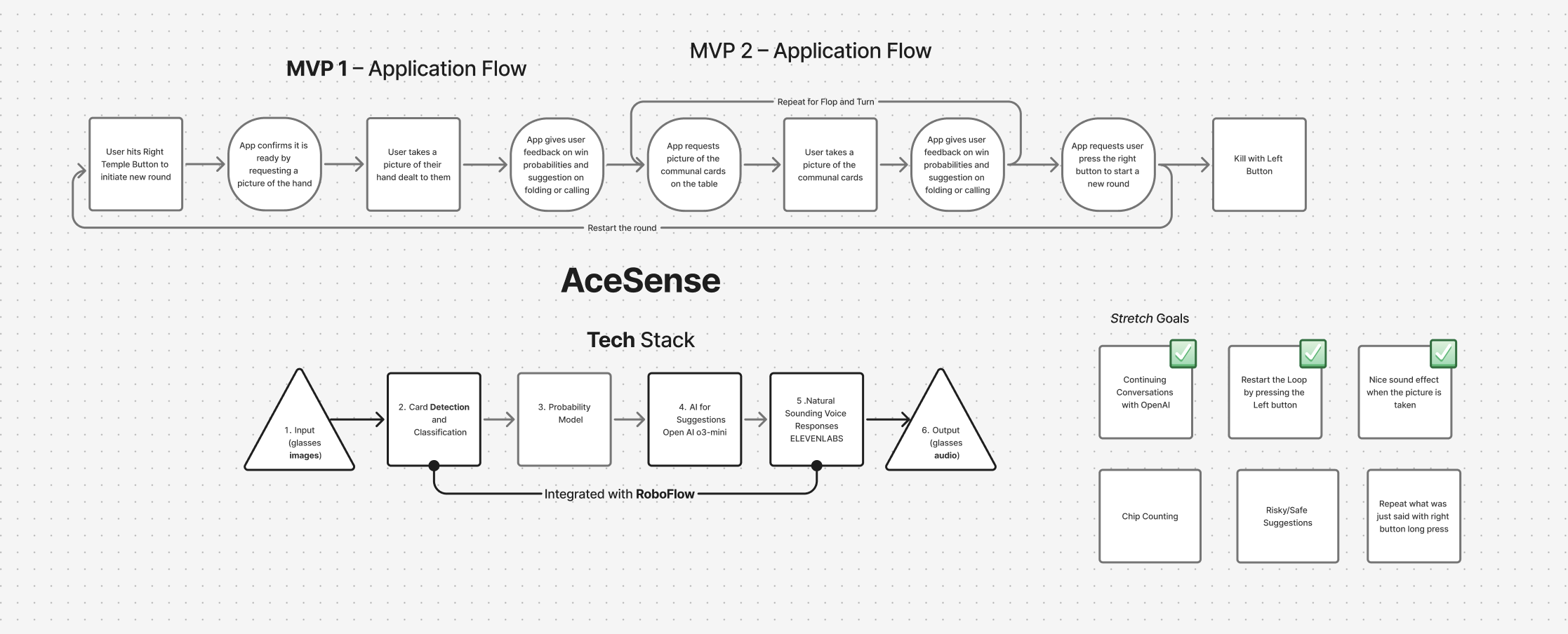
One real-time loop, five stages
Every round runs the same pipeline, from the glasses camera to the voice in your ear and back again for the next street.
Two track wins at Y Combinator
I built the reasoning and voice layer with Karan Soin, the half of the pipeline that turns detected cards into spoken strategy. That meant integrating OpenAI o3-mini to estimate the win probability and generate the tips, then wiring ElevenLabs text-to-speech so the advice reaches the player as natural, friend-like audio through the on-ear speakers.
The rest was a true team effort. Zade "Bosco" Lobo and Ashley Neall trained the Roboflow card-detection models, the custom YOLOv11 and RF-DETR work that let the system read a hand at real angles. Victor Chen led the MentraOS integration, capturing from the glasses camera, delivering audio on-ear, and bringing every service together into one real-time loop.
Built with Victor Chen, Karan Soin, Zade "Bosco" Lobo, and Ashley Neall at the Mentra Live Hackathon at Y Combinator.
The bet was latency. Coaching only helps if it arrives while the decision is still open, so the whole loop had to run in the seconds between cards. We built the spine first, one clean pass from camera to voice, and only then layered smarter suggestions on top. The lesson I keep is that machine advice has to feel human to get used. A correct tip in a robotic voice gets ignored, but the same tip in a warm voice in your ear feels like a friend has your back, and that is what made people trust it at the table.